Astragalus
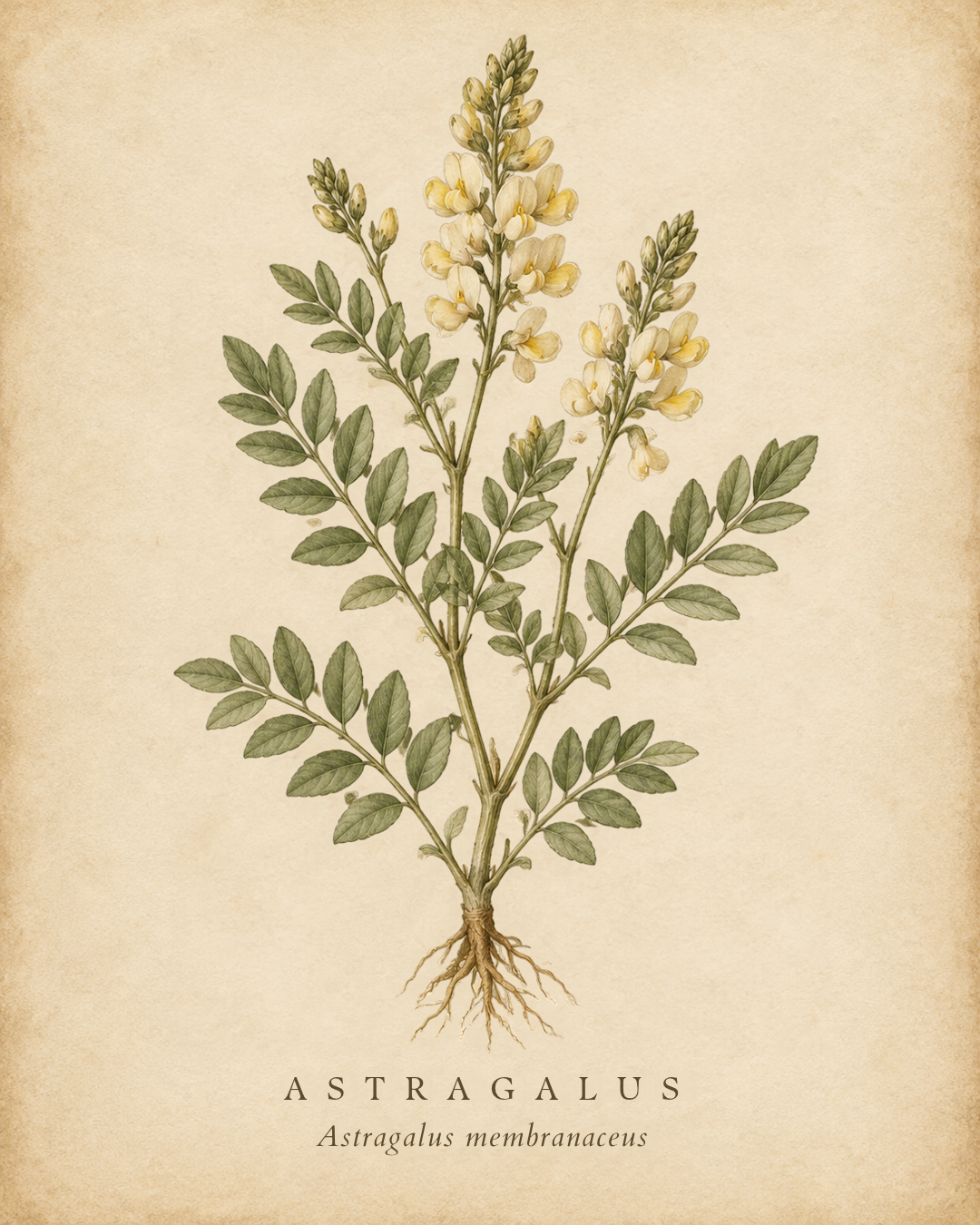
Astragalus - Astragalus membranaceus
Fabaceae family
Other names: Huang Qi, Chinese milkvetch, Milk vetch root, yellow leader, yellow emperor, yellow vetch
Taste: sweet Energetics: slightly warming - supports against cold conditions
Parts Used: Roots
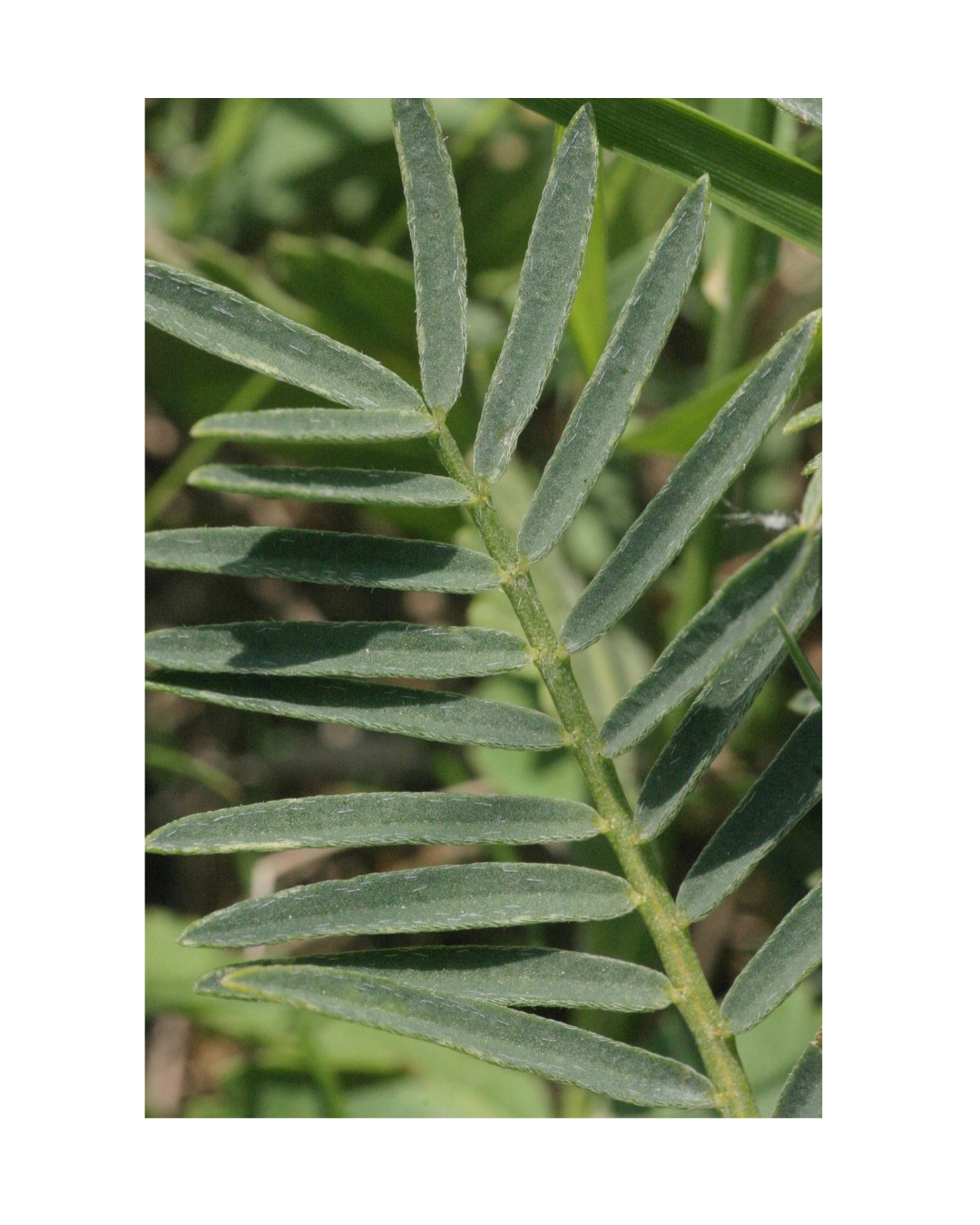
Herbaceous perennial grows to 1.2m tall, yellow delicate flowers, leaves are odd-pinnate compound 5-10cm
Planting in late winter/early spring. Harvest mature root after 2-3 years of growth in mid-summer to late autumn
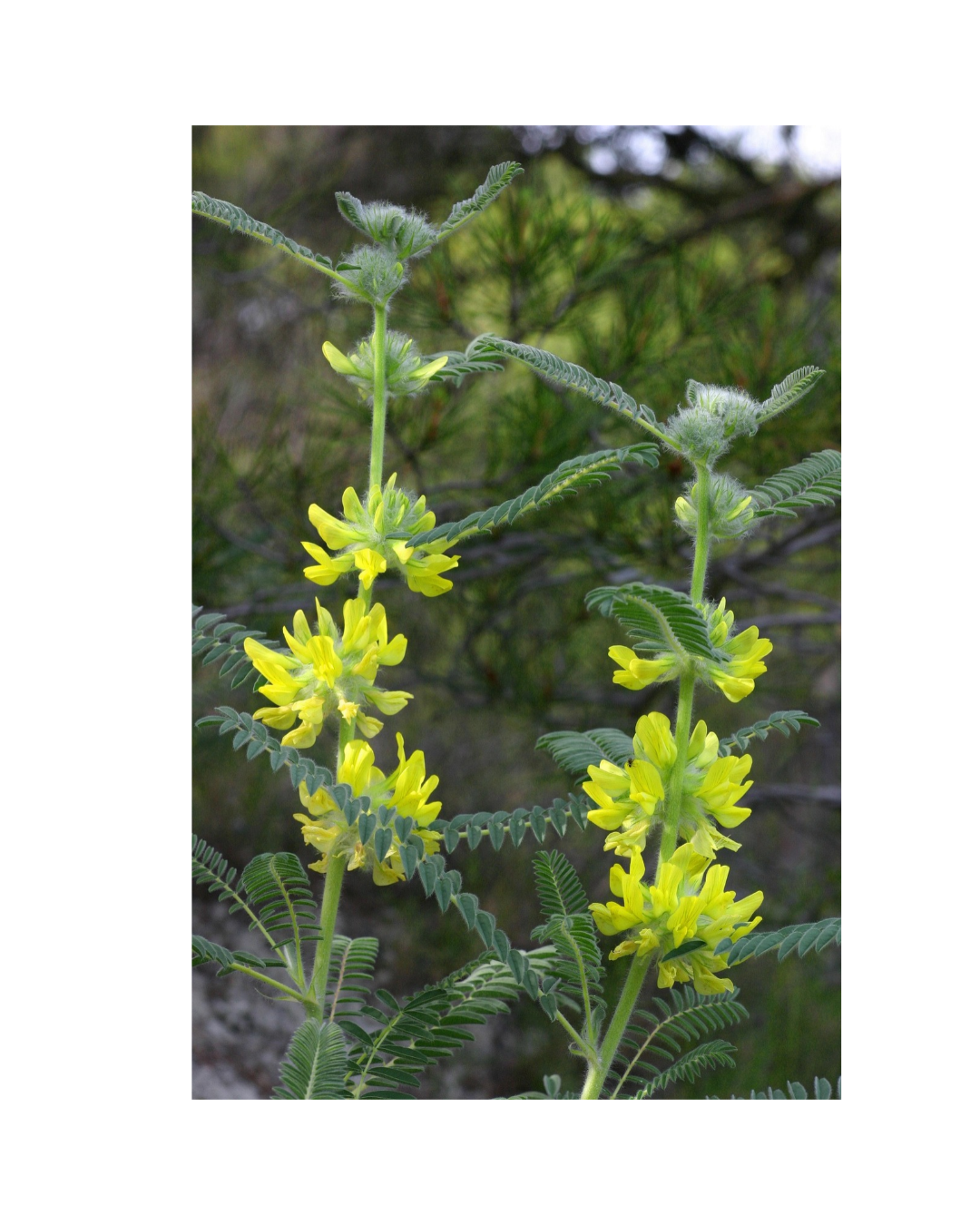
Astragalus membranaceus
Constituents: Polysaccharides, Triterpenoid Saponins, Flavonoids
Plant properties: Tonic, Adaptogenic, Immune modulating, Cardiotonic, Hypotensive, Hepatoprotective, Antioxidant, Diuretic
Indications: Immune deficiency or dysfunction (colds/flus, seasonal allergies), chronic infections, debility, fatigue, weak limbs, hypertension, night sweats, heart palpitations, prolapsed organs, anemia
I have always thought of Astragalus as the “stressed person’s immune support” herb due to its adaptogenic and immune modulating properties. This is especially true for those that have had colds or flus more often than usual because they have been taking on or doing more than their usual levels of stress or capacity to cope.
In Traditional Chinese Medicine there are many types of tonic herbs, Astragalus is much less heating and stimulating then many of the ginsengs that can be used. Astragalus is seen as an herb that is a builder of life force energy or Qi.
As an adaptogen herb, it helps to physically support the body against external stressors. This can translate energetically, spiritually, magically into an herb that helps us to reinforce our boundaries, shielding the auric field to help reduce burnout, and protecting against psychic depletion or negative external influences. For those that are energy sensitives or empaths these attributes of astragalus can be hugely supportive as what their nervous systems have to process due to higher levels of perceptions can increase chances of burnout and reduced boundaries - both with people in their lives and energetically.
Astragalus thrives in dry, harsh, rocky soils giving it a ruggard durability. Where an herb grows can give indications of how the herb can help you. In this case, astragalus can help you find your endurance and grit- supporting you to weather difficult life chapters you may be going through.
I have used Astragalus both clinically and personally for its immune modulating properties. There are clinical trials that have shown that the polysaccharides in Astragalus decrease viral replication, increase white blood cell production and stimulate lymphocytes and macrophages which support the body in getting rid of pathogens (Huang, X et al, 2024., Ghabeshi, S. et al, 2023)
With auto immune conditions can come fatigue and low energy, these can also be apparent for those with chronic fatigue syndrome, fibromyalgia and those who have experienced post viral fatigue - such as those who have had Covid-19. The decreasing of viral replication here can be of benefit. There is links of EBV (epstein barr virus) HSV-1 (Herpes simplex virus) and CMV (cytomegalo virus) being connected to immune system dysregulations and auto immunity. All three of these viruses have in common that they remain latent in the body. This means that when your body is under fire of stress, sickness or other stressors these viruses come out from their hiding places and begin to replicate causing you to feel unwell. If Astragalus can help to reduce the chances of viral replication this may help with reduces periods of flaring and supporting increased remission.
In Traditional Chinese Medicine Astragalus is considered an herb that helps to reinforce core organ systems, particularly the heart and cardiovascular system. Astragaloside IV (AS-IV) is a glycoside in Astragalus that improves cardiac contractions, and protects against inflammation, oxidative stress and cellular death. It can help to reduce tissue damage after a time of ischemia and restoration of blood flow to the area and reduces thickening of the heart tissue (Wu, J., Zhou, J. 2025) .
Preparations
Preparing as a Decoction is the traditional and most common way to have Astragalus
Simmer 9-30gm dried root slices in 500-1000ml of water for 30-60mins. The longer you allow to simmer the more polysaccharides are extracted. Strain and drink over the day.
Using Astragalus in a dried powder form can allow for putting in smoothies or mixing in with food. 3-9gm daily. The powder can also be put into capsules.
Traditionally, root slices have been added to soups, broths and stews during cooking but removed before serving to enhance nourishment.
Tinctures are less commonly used in traditional chinese medicine, but they are convenient. A 1:2 extract has a dose of 4-8ml daily.
Astragalus works best when taken regularly over a period of weeks to months, it is a long-term tonic.
Safety (Bone, 2003; Mills & Bone, 2013)
Astragalus membranaceus is generally well tolerated and side effects are rare. Effects would potentially be digestive upset if doses taken were too high.
Allergies are rate but if you are allergic to plants in the fabaceae family caution is advised.
Pregnancy & Breast feeding: generally considered safe based on extensive traditional use - however professional guidance recommended.
Safe for children, elderly and chronic conditions when used in the appropriate dose.
Contraindications (Bone, 2003; Mills & Bone, 2013)
Astragalus should not be used during an acute infection, can use once acute fever has passed.
Theoretically, auto immune conditions would be considered a risk; however, astragalus is more immune modulating than stimulating and could be looked at for each individual’s symptoms.
Drug Interactions (Bone, 2003; Mills & Bone, 2013)
Diabetes medication - may increase drop of blood glucose. Would need to monitor levels if combining.
Blood Pressure medication - may increase hypotensive effects. Monitor blood pressure if combining.
Anticoagulant medication - potential reaction, not well researched. Use cautiously with warfarin and other anticoagulants.
Diuretic medication - may enhance diuretic effects.
NOTE: All information in this article is for informative purposes and does not replace medical advice. Please consult a qualified healthcare professional before starting herbal remedies particularly if you are pregnant, breastfeeding, taking medications or have an unknown health condition.
REFERENCES
Bone, K. (2003); A Clinical Guide to Blending Liquid Herbs, Churchill Livingstone
Bone, K., & Mills, S. (2013). Principles and Practice of Phytotherapy: Modern Herbal Medicine (2nd ed.). Churchill Livingstone.
Ghabeshi, S. et al (2023), Enhancing the Antiviral Potential and Anti-inflammatory properties of Astragalus membranaceus: A Comprehensive Review; Vol.23 Issue 4, Anti-inflammatory & Anti-allergy Agents in Medicinal Chemistry
Huang, X. et al (2024); Anti-virus activity and mechanisms of natural polysaccharides from medicinal herbs; Vol 542, Article 109205; Elsevier
Wu, J., Zhou, J. (2025), Clinical Effectiveness of Astragalus membranaceus in Cardio metabolic disorders: A Meta-analysis; Vol. 15, No.4; Medicinal Plant Research